
So You Want to be a Homesteader
Why?
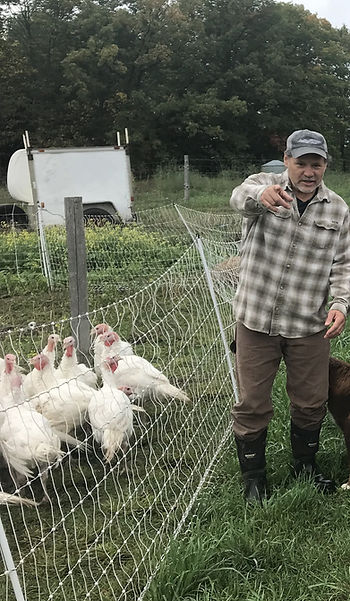
Living on a farm has opened up unlimited opportunities to be more self-sufficient for me. And each opportunity comes with its own challenges, learning curve, and infrastructure needs. So you want a dairy cow? Better build a fence, oh, and you’ll need a stanchion and to know how to milk. You also will need to get her bred and learn about animal husbandry, stockmanship, grazing management, and more.
We moved to Island Lake Farm in 1995, with five kids and one on the way. At that point, self-sufficiency and healthy food were primary drivers for us. Money was tight then, and organic food was expensive. But we had land, and the ability to grow our own and know how it was grown. We had trees and avoiding the fuel oil bill just took a chainsaw, splitting maul, and woodstove. Improving the health of the land and instilling an honest work ethic in our children were other priorities for us.
I grew up in the suburbs of the Twin Cities metropolitan area, in the city of Coon Rapids. We lived in an older neighborhood, first developed in the late 40s and early 50s. While our property was only an acre, many of the lots then, in the late 60s and early 70s, were still undeveloped and there was a lot of open space to explore. My parents had both grown up on farms, and we raised a large garden, kept some chickens for eggs, and raised some rabbits as a 4H project, though some ended up as dinner. While not true 1960s back-to-the-landers, we definitely “put by” a fair share of our food.
Other than a few years in my early twenties when I was living a somewhat nomadic lifestyle, I’ve spent my life growing food. First in the backyard of a rental property in Cuyuna, then sharecropping with an older couple near Aitkin who needed the help of a younger back, and at the first house I owned in Deerwood, growing food has been a consistent part of my life.

2025 marked our thirtieth year at Island Lake Farm. It’s incredibly rewarding to see the progress we’ve made; richer and more resilient soils, a more productive woodland, more wildlife, better infrastructure, and recently a successful farm business. Learn more about our journey here.
Where to Start?
With so many opportunities it can be difficult to make solid decisions on what projects to prioritize. That’s why it’s important to start with a plan, and define your values and goals. One way to do this is by developing mission and vision statements. What are the priorities for your land and family? Where do you want to be in three years, five years, and twenty years?
Once you have established your values and where you envision your farm in the future, it’s helpful to take inventory of your assets.
What are the soils like and what do they want to grow?
What vegetation is growing there currently and do you have a healthy functioning landscape?
What do you have for infrastructure and equipment?
What are your financial resources and do you have access to capital if needed?
What are your strengths and weaknesses, what skills can you build on, and what passions drive you?
Do you have other work or hobbies that will take you away from the farm? When and for how long does that happen?
Planning Resources
There are a lot of on-line resources that can help guide you through these planning processes.
Web Soil Survey will give you detailed information on your soil type and related characteristics.
Agroforestry practices integrate trees and shrubs into agricultural systems. These practices are well established and researched and offer options that can help to better utilize your land while increasing diversity and resilience.
Permaculture is a design method based on a set of ethics and guided by several principles that can help to reduce labor, conserve resources, and better utilize energy, to name a few benefits.

Resource professionals with your local Soil and Water Conservation District, Natural Resources Conservation Service, University Extension, and the private sector can help with planning and implementing conservation practices in your production systems. And there are numerous nonprofit organizations that offer workshops, conferences, field days, and farmer to farmer networking opportunities.
Profit Center vs Self Sufficiency
One thing I would recommend is to consider right up front if you have interest in generating income from your farming operations, and if so, deciding which operations those are. I have yet to see a get-rich scheme in farming, but some operations can be more profitable than others. If you hope to generate income from your farm, treat it like any other business and develop a business plan that includes at a minimum:
a market analysis
products/services to be offered
marketing & sales plan
operations plan
detailed financial projections
There are numerous resources that can help walk you through this process. Renewing the Countryside and the Land Stewardship Project are two nonprofit organizations that provide farm business training. Many community colleges have small business centers that can assist with business planning. Determining what you want to pursue to generate income from, and what you’re doing to be self-sufficient, is important in reducing stress and setting you up for success.

Building Community
Lastly I would suggest you get to know your neighbors and seek out other land stewards. While the idea of being independent and self-sufficient is appealing, it doesn’t pull you out of the snowbank during a blizzard, or help you pull a calf at three in the morning. We are communal beings. Building your community will provide dividends down the road.
Want to Know More?
To explore more about your homesteading journey, join Calab Langworthy and myself at HDT’s Back to Basics, Feb 7th where we will lead a workshop on Designing Your Homestead: Tips and Techniques for Success. And watch for details on our upcoming Homestead Stewards Collective, where we will work with a small number of landowners to help develop goals and farm plans over a several month period, with facilitated Collective training days, on farm field tours, and one-on-one consulting opportunities.
Want to know more about sustainable living topics, events, and happenings? Sign up for Happy Dancing Turtle’s eNewsletter.


Comments